The water felt fine one second, then it turned blistering hot, and your child was screaming before you could even turn the handle. The burns appeared almost instantly, and now you are replaying the moment in your head, wondering how bath time in your New Bern home could go so wrong so fast. On top of the fear and guilt, you may already be hearing people suggest that you must have turned the hot water too high or not checked it carefully enough.
If that sounds familiar, you are not alone. Families in New Bern and nearby communities often describe the same sudden jump from comfortable to scalding water in a tub or shower. They are told it was an accident or “user error,” yet something about how fast and how severe the burn was does not feel right. They suspect the water heater, the plumbing, or the building, but they do not know how to prove it.
At Chesnutt & Clemmons, we have represented injured people in New Bern, Morehead, and surrounding areas since 1994, and many of those cases have required careful investigation into building systems and code compliance. We understand how miscalibrated thermostats, missing mixing valves, and outdated plumbing in this region create conditions that can seriously burn a child or an older adult in seconds. In this guide, we explain how these failures really happen, why insurers are quick to blame families, and how we investigate “water heater scald New Bern” incidents to uncover the truth.
Why Hot Water Scalds Happen So Fast In New Bern Homes
Severe burns from hot water can occur much faster than most people realize. Water that feels pleasantly warm at first can reach temperatures that damage skin in a matter of seconds. Water in the range many people call “very hot” can cause serious burns in far less time than it takes to react, especially for a child or older adult whose skin is more fragile. This is why families so often describe burns that seemed to happen “out of nowhere.”
What you experience at the tap is the product of several things happening behind the wall, not just how far you turned the handle. The water in your tank may be sitting at a much higher temperature than is safe for direct use, even if the dial does not look that high. In an ideal system, that extreme heat is tempered before it ever reaches your bath. In many New Bern homes, especially older properties and rentals, that protection is either missing, outdated, or has failed.
Housing in and around New Bern includes many older single-family homes, converted houses, and small apartment buildings. These properties often have aging water heaters and original plumbing that were installed long before modern anti-scald standards became common. When a new heater is dropped into an old plumbing system without adding proper mixing valves or anti-scald devices, hot water can move from the tank to your faucet with very little control. The result is that a normal twist of the knob can suddenly deliver tank-level heat directly to your skin.
From a legal perspective, this matters because it shows that a scald rarely comes from a single careless moment. It usually comes from a system that has been set up or left in a way that makes a sudden, severe burn entirely predictable. That is where we focus our investigation when a family contacts us after a water heater scald in New Bern.
How Water Heater Thermostats Really Work, and Why They Fail
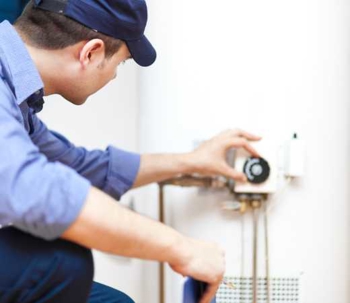
Most people assume that the number or marking on a water heater dial tells them the exact temperature of their hot water. In reality, residential water heater thermostats are rough controls, not precision instruments. Inside the tank, a thermostat senses water temperature and switches the burner or heating elements on and off to keep that temperature within a certain band. The dial on the outside simply changes the range that the thermostat aims for, and there can be a wide gap between the dial position and the actual tank temperature.
There are several problems with this setup. The markings on many residential heater dials are approximate, not calibrated to an exact degree. A setting that looks like a moderate or “normal” position can easily produce tank temperatures well above what safety guidelines recommend for delivered hot water. Thermostats can also be miscalibrated from the start, or they can drift over time. When that happens, the actual water temperature inside the tank can be dramatically higher than what the dial suggests, even if no one has touched it recently.
Thermostats can stick or fail intermittently. In those cases, the heater may overshoot its intended temperature before it shuts off. That extra heat is stored in the tank and will eventually reach your taps. From the family’s point of view, nothing has changed: they turn the handle to the same place they always do. From the system’s point of view, the water in the tank is suddenly much hotter than usual, so the water at the tap is far more dangerous than it feels at first contact.
Landlords and maintenance workers can make matters worse. When tenants complain that the water is not hot enough, a common response is to “bump up” the water heater setting. If the person doing this does not fully understand how inaccurate the dial is, or how it interacts with the rest of the plumbing, they can quickly move the system into a range where serious burns become likely. That decision might never be communicated to tenants, who continue to use the hot water as if nothing changed, and who are then blamed when someone is badly burned.
When we investigate a water heater scald in New Bern, we look closely at this thermostat story. We examine the heater, photograph the dial setting, review any maintenance history that is available, and, when possible, have qualified professionals measure tank and tap temperatures. Our role is to uncover whether the equipment was quietly delivering dangerously hot water long before anyone was burned, and whether that condition stems from miscalibration, poor maintenance, or unsafe decisions by a landlord or installer.
Missing Mixing Valves and Anti-Scald Devices Turn Showers Into Hazards
Even if tank water is too hot, a well-designed system can make the water that reaches your taps much safer. That is the job of mixing valves and anti-scald devices. A mixing valve blends hot water from the tank with cold water so that the outlet temperature stays within a narrower, safer range. Anti-scald devices, which can be part of a mixing valve or a separate component at the fixture, limit how hot the water can get at the shower head or faucet, even if someone turns the handle all the way toward hot.
These safety components are often installed near the water heater or behind the wall in the shower or tub. When they are present and functioning correctly, they act as a buffer between whatever is happening in the tank and what comes out of the tap. If the tank temperature spikes, the mixing valve cuts in more cold water to keep the delivered temperature closer to a safer range. If someone turns the handle fully to “hot,” an anti-scald device can still cap the maximum temperature that reaches their skin.
In many older New Bern properties, those defenses either do not exist or are not doing their job. Some homes were built before these devices became common, and when water heaters were replaced over the years, no one added the extra protection. Some bathrooms were updated cosmetically without upgrading the underlying valves. In other cases, devices were installed but were never set correctly or maintained, so they allow water to flow at nearly tank temperature. From the outside, everything looks normal: a standard tub spout, a familiar handle, hot water that seems fine one moment and far too hot the next.
One practical clue that something is wrong is unstable water temperature. If your shower swings rapidly from cold to very hot and back again without you moving the handle much, that can indicate a problem with mixing or anti-scald controls. Another sign is if certain fixtures in the home, such as one bathroom, seem to run hotter than others. These patterns point to system issues in the plumbing, not momentary mistakes by the person using the water, and they are the kind of details we pay attention to when we investigate a water heater scald in a New Bern incident.
Modern plumbing standards generally expect some form of anti-scald protection, particularly when bathrooms are renovated or fixtures are replaced. When we evaluate a case, we look at what type of valves and fixtures are in place, whether anti-scald features were likely required at the time of installation, and whether the people who owned or managed the property took reasonable steps to control outlet temperatures. That analysis helps determine whether the danger was avoidable and who may bear responsibility.
Why Insurance Adjusters Blame “User Error” In Water Heater Scald Claims
After a scald injury, families are often surprised by how quickly insurers shift the focus onto them. Adjusters may ask whether you ran only the hot water, whether you checked the water before putting your child in, or whether you left the tap running unattended. On the surface, those questions sound like routine fact-gathering. In practice, they are often used to support a narrative that the burn was mainly your fault.
Insurers know that many people do not understand how thermostats, mixing valves, and anti-scald devices work, or that there are widely recognized standards for safer water temperatures. They also know that most families do not have photos of the heater dial setting from before the incident, or records of what type of valve is hidden in a wall. It can be much easier for them to point to a parent’s split-second choices than to dig into whether a landlord ignored safety requirements or a maintenance worker cranked the heater up months ago.
Behind the scenes, adjusters may still look at physical evidence. They might photograph the water heater, take a quick look at the thermostat position, or glance at visible fixtures for anti-scald markings. However, without a lawyer pushing for a thorough inspection, those reviews can be superficial. A heater dial may be turned down after the incident. A missing mixing valve behind a wall might never be documented. The file can end up reflecting “no obvious problem with the system” and center the discussion on the family’s actions.
Our experience in serious injury litigation has shown us how this pattern plays out and how to counter it. When we become involved in a water heater scald case, we do not accept easy explanations that it was just an unfortunate accident. We focus on the system, the settings, and the history of the property, and we bring in qualified professionals when needed to conduct proper temperature measurements and inspections. Because we are prepared to take cases to court when necessary, insurers understand that “user error” arguments will be tested against detailed evidence, not just accepted at face value.
Who May Be Legally Responsible For A Water Heater Scald In New Bern
One of the first questions families ask us is whether anyone other than themselves could be responsible for what happened. The answer depends on the specific facts, but in many “water heater scald New Bern” scenarios, there are several potential sources of responsibility. The key is tying the mechanical failures and safety issues we have discussed to the people or companies who had control over those conditions.
Landlords and property managers often have a central role. They typically control the water heater itself, decide what kind of equipment to install, and handle or authorize maintenance. If they chose to operate the heater at an excessively high setting, failed to install needed mixing or anti-scald devices during renovations, or ignored complaints about unstable or dangerously hot water, those decisions can form the basis for a premises liability claim. The law expects them to maintain reasonably safe conditions for tenants and guests.
Plumbers, contractors, and maintenance companies can also bear responsibility. When they install a new heater or remodel a bathroom, they are expected to do the work in a reasonably safe way and to follow applicable standards. If they removed mixing valves, bypassed anti-scald protections, or set up the system in a manner that made unsafe outlet temperatures foreseeable, their actions may be part of the problem. In some cases, leases or work orders can show exactly who did what and when.
There are situations where a product defect may come into play. A thermostat that fails in a way that causes extreme overheating, or a mixing valve that does not limit temperature as it should, could raise questions for the manufacturer or supplier. These cases require careful technical evaluation to distinguish between installer error, poor maintenance, and an underlying product issue. They also require a legal team that knows how to develop and present complex evidence in court when necessary so that judges and juries can understand what went wrong.
At Chesnutt & Clemmons, we draw on over a century of combined litigation experience to map these technical facts to clear legal theories. We review leases, maintenance records, renovation histories, and any available inspection reports. Then we analyze how each party’s decisions and omissions contributed to the conditions that caused the scald. That work helps families move beyond vague blame and toward specific accountability.
Evidence Families Can Preserve After A Water Heater Scald
Right after a scald incident, your focus is on medical care and comforting the person who was hurt. Legal evidence is not the first thing on your mind, and no one expects you to act like an investigator in the moment. Still, certain simple steps, taken when it is safe to do so, can make a significant difference in how clearly the truth can be shown later.
Photographs are often the most accessible form of evidence. Pictures of the burns and their progression can help document the severity of the injury. Photos of the bathroom or kitchen where the incident occurred, including the faucet or shower handle, can show the type of fixture and how it is used. If you can safely access the water heater, images of its make, model, and thermostat dial position can provide a snapshot of how it was set around the time of the incident.
When conditions allow, recording the temperature of the water at the tap can be helpful. This should only be done if it does not create a risk of further injury. Using a simple kitchen thermometer, someone can briefly run the hot water, collect a small sample, and note the highest temperature shown. It is important to understand that this does not replace a professional inspection, but it can help show that the water coming out of the fixture is far hotter than most people would expect or consider safe.
Other pieces of information are easy to overlook but valuable. Notes about any prior complaints to a landlord about hot water issues, unstable temperatures, or plumbing work can help establish a pattern. Save any texts, emails, or work orders relating to the water heater or plumbing. If maintenance or management staff come to the property after the incident, jot down what they did and any comments they made, especially if they adjust the heater or talk about changing settings. These details can help us later reconstruct what conditions were like at the time of the injury.
Our role is to take these early pieces of information and build on them with a structured investigation. When families contact us promptly after a water heater scald incident in New Bern, we can help ensure that key conditions are documented before anything is changed, and we can send appropriate notices to landlords or other parties to preserve evidence. This allows you to concentrate on recovery while we handle the technical and legal legwork.
How Chesnutt & Clemmons Investigates Water Heater Scald Cases
Scald cases involving water heaters and plumbing systems are not like simple slip-and-fall claims. They demand a careful blend of technical understanding and legal strategy. Over decades of handling serious injury and civil litigation matters in New Bern, Morehead, and beyond, we have developed a structured way of approaching these cases that looks beyond surface explanations and into the details that really matter.
We usually start with a thorough fact-gathering process. That can include visiting the property when possible, documenting the layout of the bathroom or kitchen, photographing the water heater and its settings, and noting visible plumbing features. We review leases or rental agreements for language about utilities and maintenance responsibilities. We look for prior written complaints or maintenance records that mention hot water issues, plumbing work, or renovations and compare that history to the conditions we find.
From there, we coordinate with qualified professionals as needed. That may involve having someone measure both tank and tap temperatures, identify whether mixing valves or anti-scald devices are present, and compare the setup to current expectations for safe water delivery. We assess whether post-incident changes were made that might point to a previously unsafe condition, such as suddenly lowering the thermostat or replacing fixtures. All of this information feeds into a picture of whether the scald resulted from a dangerous system, not just a momentary mistake.
On the legal side, we analyze how those facts intersect with duties under premises liability, negligence, and, in appropriate cases, product liability law. We identify which parties had control over the water heater, plumbing configuration, and safety features at relevant times. Then we build a case that explains, in straightforward terms, how their decisions created an unreasonable risk. Our attorneys are trial-tested and have a proven track record of taking complex cases into the courtroom when that is what justice requires, which often encourages insurers to treat these claims more seriously.
Throughout the process, we maintain open communication with our clients. Our team includes Spanish speakers so that families who are more comfortable communicating in Spanish can fully understand each step and have their questions answered. We know that dealing with a serious burn injury is overwhelming. Our goal is to remove as much of the investigative and legal burden from your shoulders as possible while pursuing accountability for what happened.
Talk With Chesnutt & Clemmons About A Water Heater Scald In New Bern
A sudden scald from a bath or shower rarely comes out of nowhere. In many New Bern homes, it is the end result of hidden thermostat problems, missing or failed mixing valves, and ignored safety standards that have been in place for months or years. Understanding those mechanics can help shift the story away from blaming a parent, child, or elderly person and toward holding the right parties accountable.
If you or a loved one suffered a hot water scald in New Bern, Morehead, or a nearby community, you do not have to try to sort out these technical and legal questions alone. Chesnutt & Clemmons has the experience, investigative resources, and local knowledge to examine your water heater and plumbing setup, challenge “user error” assumptions, and pursue justice where negligence played a role. We invite you to reach out, tell us what happened, and learn what your options may be. You can also call us at (252) 300-0133.