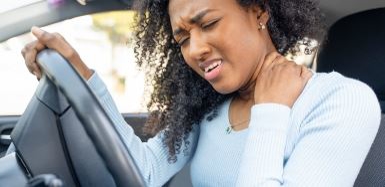
Your Uber is gliding through downtown New Bern when a car blasts through a light, hits you hard, and suddenly the ride is over. Within hours, you find out the other driver has no insurance or only the bare minimum. You are hurting, the hospital is asking about payment, and an insurance adjuster may already be leaving messages on your phone. It feels like the one person who should pay for this crash has nothing to offer and you are left holding the bill.
In that moment, it is easy to assume you are stuck with the fallout. Many riders believe that an uninsured driver means no compensation, or that Uber and Lyft will automatically step in and write a check for everything. In North Carolina, the truth is more complicated. There are usually several possible insurance policies in play, and how you handle the first few days after the crash can make a real difference in what you recover and how long it takes to get there.
Since 1994, Chesnutt & Clemmons has represented injured people in New Bern, Morehead, and across eastern North Carolina in difficult motor vehicle and insurance disputes. Our attorneys bring more than a century of combined experience to these cases, and our firm holds the highest possible Martindale-Hubbell rating along with recognition in Super Lawyers and The Best Lawyers in America. In this guide, we share how uninsured driver Uber accidents in New Bern really work, what coverage may still be available, and how to protect your claim from the start.
What It Means When the Other Driver in Your New Bern Uber Accident Has No Insurance
Hearing that the driver who hit your Uber has “no insurance” often feels like the door slamming on your recovery. In North Carolina, an uninsured driver is someone who does not have the liability policy the law requires, or whose insurer has denied coverage for the crash. An underinsured driver technically has a policy, but the limits are too low to cover the injuries and losses they caused. Both situations are common, especially when the at-fault driver carries only the minimum required coverage.
From your perspective as a rideshare passenger, this is not just a label. It affects which insurance companies you can pursue and in what order. An uninsured at-fault driver may still be personally liable, but most people who drive without proper coverage do not have assets that realistically pay medical bills or lost wages. The practical focus shifts away from that driver and toward the other policies connected to the crash, including the rideshare company’s coverage and your own auto insurance.
The key point is that an uninsured or underinsured driver does not automatically end your case. In many New Bern rideshare crashes, the at-fault driver’s lack of coverage simply means that other insurance has to do more of the heavy lifting. Claims often move from an at-fault policy, if there is one, into Uber or Lyft’s uninsured motorist coverage for passengers, and then, in some cases, into the passenger’s own UM or UIM coverage. Our role is to identify every possible source of compensation so that one irresponsible driver’s choices do not dictate your financial future.
Because we regularly handle complex injury claims involving multiple policies, we are used to looking beyond the obvious at-fault driver. That kind of analysis is essential when the driver who caused your New Bern Uber accident is uninsured or poorly insured. The sooner this analysis starts, the easier it is to protect your claim and avoid missteps with the involved insurers.
How Uber & Lyft Insurance Works When an Uninsured Driver Causes the Crash
Rideshare companies structure their insurance around the Uber or Lyft app. Coverage depends heavily on what the driver was doing at the time of the crash, and insurers look closely at this when deciding what they will pay. For passengers, this often works in your favor, as long as the trip was active when the uninsured driver caused the collision.
There are three main periods to understand. When the app is off, the rideshare driver’s personal auto policy is primary and the rideshare company usually has no responsibility. When the app is on, and the driver is waiting for a request, there is often limited contingent coverage that may come into play if the driver’s personal insurance is not enough. Once a trip is accepted and you are on board, coverage is at its strongest. During this active trip period, Uber and Lyft typically carry significant liability and uninsured or underinsured motorist coverage that is intended to protect paying passengers.
In a New Bern scenario where another driver hits your active Uber or Lyft, and that driver turns out to be uninsured, the rideshare company’s uninsured motorist coverage often becomes central to your recovery. That coverage can step in as if the at-fault driver had a policy, paying for medical treatment, lost income, and other damages up to the applicable limits. The exact figures and terms vary by company and by the policy that was in effect at the time, and insurers sometimes dispute whether a ride was truly “active” or still in a waiting period.
Those app-status arguments are not just technicalities. They are one of the main ways rideshare insurers try to limit what they pay, particularly when the at-fault driver has no insurance of their own. Adjusters commonly comb through trip logs, GPS data, and timestamps to argue that coverage is lower than what an injured passenger expects. Our team is familiar with how these carriers review New Bern and eastern North Carolina claims, and we focus on preserving the evidence that proves your ride status and supports full use of the rideshare coverage that should protect you.
Even when Uber or Lyft coverage is available, it is not automatic that the insurer will recognize the full value of your injuries. They will still look for ways to question liability, minimize your medical needs, or suggest that other policies must pay first. Understanding the coverage structure is the beginning, not the end, of building a successful uninsured driver Uber accident claim.
Where Your Own Uninsured Motorist Coverage Fits In After a Rideshare Crash
Many people are surprised to learn that their own auto insurance may help pay for injuries from a crash that happened in someone else’s vehicle. In North Carolina, uninsured motorist and underinsured motorist coverage often follow you as a person, not just the car listed on the policy. That means your UM or UIM coverage can sometimes apply when you are a passenger in an Uber or Lyft in New Bern and an uninsured driver causes the collision.
Think of insurance coverage as layers. The first layer might be any liability coverage from the at-fault driver, if they have it. The second layer, when the crash involves an active rideshare trip, may be the Uber or Lyft policy, including its uninsured motorist component. If your injuries and losses go beyond what those layers can realistically cover, we then look to your own UM or UIM coverage and sometimes to policies held by relatives you live with. These policies can add to or “stack” on top of other coverage in certain scenarios, increasing the total amount available to you.
Your own insurer, however, is not a neutral adviser in this process. When a UM or UIM claim is involved, your company steps into the shoes of the at-fault driver to some degree and may contest how much they owe. They may argue that other policies have not been fully exhausted, that certain medical treatment is not related, or that your injuries are less serious than your doctors say. Too often, people assume their own insurer will simply point out these coverage options and pay fairly, then find out later that key claim deadlines have passed or that statements they gave early on are now being used to limit payment.
Our work in personal injury and civil litigation frequently involves untangling this web of policies and making sure nothing is left on the table. We examine your declarations pages, household policies, and the rideshare coverage to see how they interact under North Carolina law. Then we build a strategy for presenting your UM or UIM claim in a way that is hard for insurers to ignore. This is the kind of behind-the-scenes work you rarely see discussed in generic articles, but it is where many uninsured driver rideshare cases are won or lost.
Common Mistakes After an Uninsured Driver Uber Accident in New Bern
In the days after a crash, you are juggling pain, medical appointments, and uncertainty about how you will pay your bills. That is also when small decisions can quietly damage your uninsured driver Uber accident claim. Knowing what to avoid can prevent serious problems later and can make it easier to move your case forward when you are ready.
One common mistake is assuming that no insurance means no recovery and simply giving up on the idea of a claim. We talk with riders who paid out of pocket or turned everything over to health insurance because they thought the uninsured at-fault driver was the end of the story. Another mistake is assuming the opposite, that Uber or Lyft will automatically cover everything, so there is no need to document injuries, track expenses, or pay attention to what you tell the insurer. Both assumptions can lead to lost evidence and missed deadlines that are hard to fix later.
Another frequent issue is making statements or accepting quick offers before you understand the full picture. An adjuster may call from the rideshare company’s insurer or from your own auto policy and ask for a recorded statement “to move the claim forward.” What you say can later be used to question how the crash happened, whether you were really hurt, or whether your treatment was necessary. The same applies to signing broad medical authorizations or accepting a small settlement that does not take into account ongoing care, future procedures, or long-term impact on your work and daily life.
Practical missteps at the scene and shortly after also matter. Failing to call law enforcement in New Bern, not getting contact information for drivers and witnesses, or neglecting to save screenshots of your Uber or Lyft trip can make it harder to prove fault and ride status later. Delaying medical care or not following through on recommended treatment gives insurers a chance to argue that your injuries are minor or unrelated. Our clients often reach out after one or more of these things have already happened. The sooner we can get involved, the more we can do to protect and rebuild your claim, even if the first steps were not perfect.
How North Carolina Law Affects Fault & Coverage in Rideshare Crashes
Every uninsured driver Uber accident in New Bern sits on a legal foundation that is specific to North Carolina. This state uses an at-fault system, which means the person who caused the crash is responsible for the damages. That sounds straightforward, but determining fault in a multi-vehicle rideshare collision can involve competing stories, incomplete police reports, and insurers who are eager to shift blame away from their own policyholders.
On top of that, North Carolina follows a contributory negligence rule. In simple terms, if an injured person is found even slightly at fault in causing the crash, they can be barred from recovering from other drivers in many situations. For passengers in an Uber or Lyft, this may sound less relevant, but insurers sometimes get creative. They may suggest that the passenger distracted the driver, encouraged speeding, or did something else that contributed to the events. These arguments do not always succeed, but they can delay claims and give carriers leverage in negotiation.
Fault disputes matter in uninsured and underinsured situations because many coverage obligations are triggered only when another driver is legally responsible. If liability is contested, rideshare insurers and UM or UIM carriers may stall or deny payment until the issue is resolved. That makes evidence from the scene, witness statements, and the Uber or Lyft app data even more important. Establishing clear fault early not only strengthens your case against the uninsured driver, it also helps unlock the coverage that exists to step in when that driver’s policy is missing or insufficient.
Our trial-tested attorneys are familiar with how Craven County courts and nearby jurisdictions look at these issues in the context of real cases. Insurers know which firms are prepared to take a case in front of a jury and which are likely to encourage settlement at any cost. That reputation matters when we are pushing back against contributory negligence defenses and pressing rideshare or UM carriers to honor their obligations. The legal rules are fixed, but how they are applied in your case depends heavily on the facts we can develop and how clearly we can present them.
Steps to Take Right After an Uninsured Driver Hits Your Uber or Lyft
After a crash, it is hard to think strategically, especially when you are in pain and worrying about family and work. Having a short, practical roadmap helps you protect both your health and your claim. These steps are tailored to rideshare accidents involving uninsured drivers in and around New Bern so you can focus on what matters most.
Focus on safety and medical care first: Call 911 if anyone is hurt or if there is significant damage. Allow EMS to evaluate you, and if they recommend transport to a facility such as CarolinaEast Medical Center, take that advice seriously. Even if you do not go by ambulance, schedule a prompt evaluation so that injuries are documented from the start and so you have a clear treatment plan.
Document the scene and your ride: If you are able, gather names, contact information, and insurance details for all drivers involved, including your Uber or Lyft driver. Take photos of vehicle positions, damage, skid marks, traffic signals, and anything else that might matter. Capture screenshots of the rideshare app showing your driver, route, and trip status, and save your ride receipt when it arrives by email or in the app so you have a record of the trip.
Report the crash properly: Make sure law enforcement responds and creates a report, and confirm that your status as a rideshare passenger is noted. Report the collision through the Uber or Lyft app using their accident reporting tools. When doing so, stick to the basic facts and avoid speculating about fault or injuries. Notify your own auto insurer that you were involved in a crash as a passenger and that the at-fault driver may be uninsured, but consider speaking with a lawyer before giving a detailed statement.
Get legal guidance before you go too deep with insurers: Rideshare companies and insurance carriers work quickly after these crashes, and their interests do not fully align with yours. Before you agree to a recorded statement, sign medical authorizations, or entertain any settlement offers, it makes sense to have your situation reviewed by a New Bern attorney who understands uninsured driver Uber accidents. At Chesnutt & Clemmons, we are accessible by phone, email, text, or chat, so you can get answers while memories are still fresh and evidence is easier to gather.
How Chesnutt & Clemmons Builds a Strong Claim in Uninsured Rideshare Accidents
Uninsured driver Uber accidents are not simple claims where one adjuster cuts a check, and the case is over. They are multi-layered problems that require careful investigation and a clear strategy. Our approach at Chesnutt & Clemmons is to treat these cases like the complex civil litigation matters they are, not like routine fender-benders that can be handled with a few phone calls.
We start by collecting the core evidence. That includes the New Bern police report, photos and videos from the scene, and your medical records from providers such as CarolinaEast Medical Center and any follow-up clinics. When possible, we seek out bodycam or dashcam footage, along with statements from witnesses who saw the collision. We also secure rideshare data, including trip logs, messages through the Uber or Lyft app, and any internal reports generated after the crash. This helps confirm your ride status at the time of impact, which is critical for unlocking rideshare coverage when the at-fault driver is uninsured.
Next, we perform a detailed insurance analysis. We obtain and review the at-fault driver’s policy information, even if their carrier is denying coverage or limits are very low. We look at the Uber or Lyft policy that applied on the date of the crash, including its uninsured and underinsured motorist provisions for passengers. Then we analyze your own auto policy and, where appropriate, household policies that might provide UM or UIM protection. Our attorneys have more than a century of combined experience working through these coverage puzzles and negotiating with multiple insurers at once.
From there, we build the damages side of your case. That means documenting not just immediate medical bills, but also lost income, impact on your daily activities, and any long-term needs that specialists identify. We use our local network of contacts and resources to understand the real-world costs of your injuries. Insurers know that our trial-tested litigators are ready to present these facts in court if necessary, and that readiness often influences how rideshare and UM or UIM carriers respond at the negotiating table.
Throughout this process, we keep communication clear and responsive. Clients often tell us they value our thoroughness and the way we explain each step in plain language. Our goal is to shoulder the legal and insurance burden so that you can focus on your recovery, knowing that every realistic source of compensation in your uninsured driver Uber accident is being pursued.
Talk With a New Bern Attorney About Your Uninsured Driver Uber Accident
Finding out that the driver who caused your Uber or Lyft crash in New Bern has no insurance is frightening, but it does not have to be the end of your options. Between rideshare policies, your own UM or UIM coverage, and other potential layers, there is often more protection than you realize. The challenge is knowing how to bring those pieces together and keeping insurers from closing doors before you know what your claim is truly worth.
If you were injured as a rideshare passenger in a crash with an uninsured or underinsured driver, we invite you to let us review the facts and the available coverage. Chesnutt & Clemmons has been standing up for injured people in New Bern and eastern North Carolina for decades, and we are prepared to work through the details of your case and explain your options clearly. Reach out online or call us at (252) 300-0133 for a confidential consultation before you give another statement or accept any offer from an insurance company.